Effort versus Outcome
Doing work is not the same as achieving an outcome.
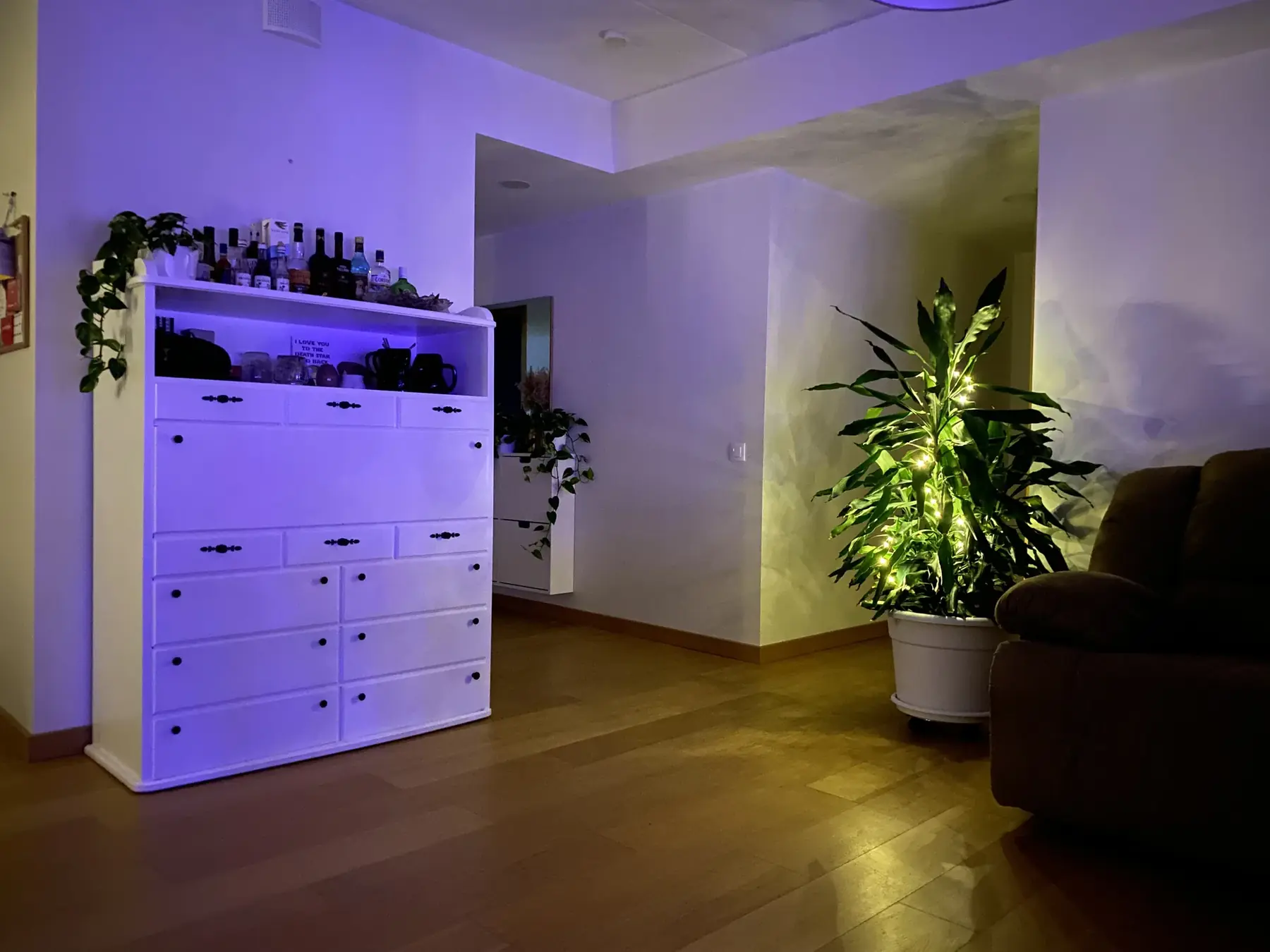
Yesterday, I decided to move furniture around. I thought I’d enjoy lounging on the couch more if it was facing the window.
I did tons of work:
1️⃣ Cleared out the cupboard
2️⃣ Dusted the cupboard
3️⃣ Slid towels under the cupboard to avoid scratching the floor
4️⃣ Moved the couch
5️⃣ Moved the cupboard
6️⃣ Vacuumed the floors under the furniture
7️⃣ Tested the new couch placement
But in the end, I didn’t like the new setup. So I did some more work and moved everything back.
As you can see, much work was done.
But the outcome was… nothing. The room looks exactly the same as before.
Moral of the story:
Effort doesn’t always equal results. It’s not about how much or how hard you work; it’s about whether the work moves you closer to your goal.
Busy work can feel productive, but real value comes from outcomes, not just action.
How to Avoid Wasted Effort
What could I have done differently to avoid wasting time and energy? Here are some ideas:
1️⃣ Visualize the change first: Using a room planner app or creating outlines of furniture on the floor to simulate the new layout.
- Downside: This does not fully capture the real look or feel, and I cannot physically test it.
2️⃣ Test minimally: Moving only the couch instead of rearranging everything.
- Downside: Placement may still be inaccurate without moving other items, but it is faster and less effort-intensive.
3️⃣ Consider alternatives: How else could I enjoy the view from my window comfortably? Perhaps I could reposition an armchair or buy a bean bag instead?
- Downside: Risk of the space being too cluttered, plus potential additional investment.
**The same principles apply to work:
**Before committing full effort, find ways to test the hypothesis or idea quickly and with minimal resources. This can save time and energy while providing valuable insights. Small, low-cost tests can prevent big, costly mistakes.
The Value of “Failed” Experiments
When re-arranging the furniture, I spent hours on a change I ultimately didn’t like. At first glance, it seems like a complete waste. But was it?
Why was it bad?
- I spent time and energy that could have been used elsewhere.
- It caused unnecessary disruption (the room was a mess for hours).
Why was it good?
- I learned something important: this couch looks terrible facing the window. Now I know, and I won’t waste time considering it again.
- It was an opportunity to reorganise the cupboard and to clean under the furniture, which likely wouldn’t have happened otherwise.
Even when work doesn’t lead to the outcome you hoped for, it can still provide valuable lessons. Every experiment, successful or not, adds to your knowledge and helps guide future decisions.
The key is to learn from what didn’t work, so you’re better prepared next time.
Fun fact: this cupboard is as old and tall as I am!